genre american
Southern Soul
1960s–mid-1970s · Memphis, Tennessee / Muscle Shoals, Alabama
The raw counterpart to Motown's polish: Stax Records in Memphis and the Muscle Shoals studios delivered soul with sweat still on it — horn-led, church-raw, and deeply Southern.
While Motown in Detroit polished soul into pop, a different school was developing further south. Stax Records, founded in Memphis in 1957, operated on exactly the opposite principle: the rawer the better, the more church the better, the more sweat the better. The integrated house band — Booker T. & the MGs on keyboards and rhythm, with the Mar-Keys horn section — provided a tight, punchy frame for artists including Otis Redding, Sam & Dave, Wilson Pickett, and Carla Thomas.
Simultaneously, the Muscle Shoals Sound Studios in Sheffield, Alabama, and FAME Studios nearby, attracted a different flow of artists to another integrated house band — the Swampers — whose feel for blues-rooted R&B gave Aretha Franklin’s Atlantic Records sessions their distinctive grit. “Respect,” “Chain of Fools,” “I Never Loved a Man the Way I Love You” were all recorded in Muscle Shoals or nearby.
Both centers produced interracial working environments in the segregated South — a fact the musicians involved acknowledged but rarely broadcast for their own safety. The sound that came out was unified: horn-powered, rhythmically assertive, emotionally unguarded, and deeply rooted in the Black Southern church tradition that had been the source of soul all along.
Connections
Roots, siblings & influences

Southern soul is soul's regionally inflected branch: gospel fervor retained, urban polish mostly absent, horn sections and rhythm guitars to the fore.
Sweet Soul Music: Rhythm and Blues and the Southern Dream of Freedom

Stax artists and the Muscle Shoals rhythm section were steeped in Black Southern church music; the vocal style is gospel with worldly words.
Sweet Soul Music: Rhythm and Blues and the Southern Dream of Freedom
Key artists
-
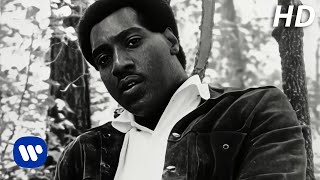
Otis Redding
artistThe voice of Stax: raw, pleading, physically urgent — and the artist who brought Southern soul to the world stage before his death at 26.
-

Aretha Franklin
artistThe Queen of Soul: her voice — forged in her father's Baptist church — carried the raw force of gospel into secular music and defined what soul singing means.
-

Sam Cooke
artistThe architect of the gospel-to-pop crossover: a voice of pure grace and a businessman's mind who died just as he was becoming a movement voice.
Sources
- Sweet Soul Music: Rhythm and Blues and the Southern Dream of Freedom — Peter Guralnick (1986). Harper & Row · Book
Discussion
Comments
Read the conversation or sign in with Google to add your own note.