genre american
Pop
late 1950s→ · New York / London / Los Angeles
Popular music in its most distilled form: the song built for maximum reach, refined by Motown's discipline and exploded into global dominance by Michael Jackson and the music video era.
“Pop” describes a commercial logic more than a sound: music engineered for maximum appeal across as many demographics as possible, distributed through whatever technology is current, renewed by whoever can most completely embody the moment. Its history is therefore always the history of its biggest artists — Tin Pan Alley gave way to rock ‘n’ roll, which gave way to Motown, which gave way to the post-disco synthesis of the 1980s.
The pivot point for this graph is Motown: Berry Gordy’s system that took soul’s gospel-rooted emotion and applied pop craft — hook discipline, radio timing, crossover appeal — to make Black music that would reach white teenagers on Top 40 radio. From Motown the lineage runs to Michael Jackson, whose Thriller (1982) synthesized disco, funk and rock into a genre-neutral pop that became the template for global commercial music.
The music video, enabled by MTV, amplified the visual dimension of pop simultaneously: “Thriller,” “Billie Jean” and “Beat It” were as much cinematic events as recordings. This convergence — music, video, global distribution — defined pop as the dominant form in the 1980s and beyond, with successors from Madonna to Beyoncé operating in the same framework that Jackson established.
Connections
Roots, siblings & influences

The Motown sound — soul disciplined for radio — is the first great factory for pop in the modern sense; Michael Jackson carried it forward to global scale.
Sweet Soul Music: Rhythm and Blues and the Southern Dream of Freedom

Pop absorbed rock 'n' roll's energy while smoothing its edges for broader commercial appeal — the process Motown systematized.
What grew from it

Country pop borrowed production values, radio programming logic and marketing strategies from mainstream pop, making country's commercial reach effectively unlimited.

Producer Chet Atkins explicitly wanted country to reach pop audiences; the orchestration, the production aesthetics and the crossover ambition came from pop music.
Key artists
-
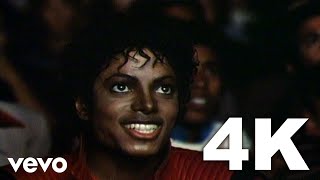
Michael Jackson
artistThe King of Pop: the Jackson 5 alumnus who became the best-selling recording artist of all time, uniting Motown, funk and rock into a global pop language.
-
Stevie Wonder
artistMotown's prodigy grown into a towering artist: the "classic period" albums of the 1970s synthesized soul, funk, jazz and social urgency into music of unmatched range.
-
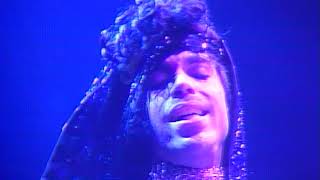
Prince
artistThe architect of the Minneapolis Sound: virtuoso on every instrument, radical in sexual politics, restlessly synthetic — the one-man band who bridged funk, rock and the electronic future.
Sources
- Sweet Soul Music: Rhythm and Blues and the Southern Dream of Freedom — Peter Guralnick (1986). Harper & Row · Book
- Rock and roll ↗ . Encyclopædia Britannica · Encyclopedia
Discussion
Comments
Read the conversation or sign in with Google to add your own note.